
Scientific Research
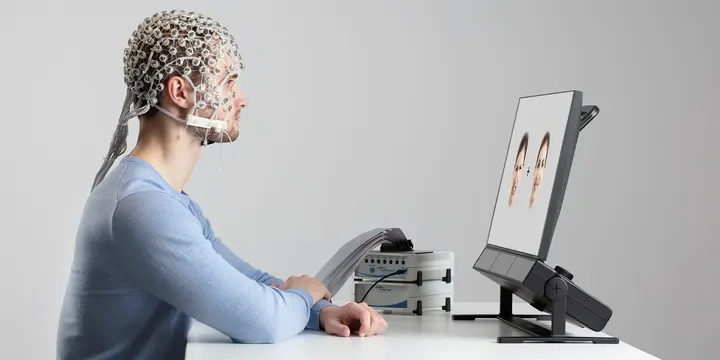
See. Measure. Understand.
The scientific study of the human mind and behavior as well as the comprehension of cognitive processes, emotions, social relationships, and mental health are all included in the vast and dynamic subject of academic psychology research.
How Eye Tracking is Useful in Scientific Research
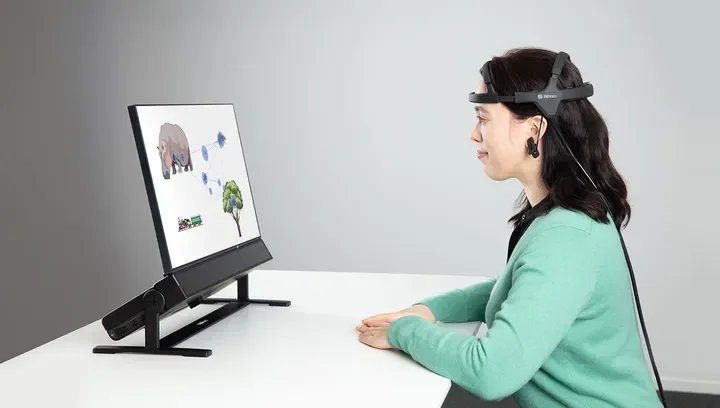
Establishing a link between eye movements, thought processes, and responses in order to increase scientific understanding of human behavior.
Psychology and Neuroscience

Eye tracking is used by psychologists and neuroscientists to investigate cognitive processes and evolutionary conserved behaviors in nonhuman primates.
Nonhuman Primate

Opening the door to a child's thinking long before they learn to speak by allowing researchers to examine gaze behavior, one of the earliest changes.
Developmental Psychology

Researchers can create instructional materials and diagnostic tools for creative learning with the aid of eye tracking data.
Education Research

Eye tracking has established itself as a reliable method for measuring human language processing and eye movements during reading.
Reading and Language

Eye tracking is used by medical researchers to investigate biomarkers for altered brain function, opening up new avenues for diagnosis, treatment, and rehabilitation.